


⭐ Professional Dental Cleaning
(Scaling & Polishing)
Dental hygiene and teeth cleaning in Hounslow: quick answer
Professional dental hygiene care helps remove deposits and supports prevention or management of gum disease. It does not replace daily brushing and interdental cleaning. The type and frequency of appointments should be based on gum health, deposits, medical history, smoking and individual risk.
How often should I see a dental hygienist?
There is no universal interval. Some patients need more frequent maintenance while lower-risk patients may need less. Your dentist or hygienist should recommend a recall based on current findings.
What if my gums bleed?
Bleeding, swollen or sore gums, persistent bad breath, recession or loose teeth should be assessed. Early advice and effective plaque control can help prevent progression.
- Brush twice daily with fluoride toothpaste and clean between teeth.
- Smoking and poorly controlled diabetes can increase periodontal risk.
- Professional cleaning may cause temporary sensitivity or tenderness.
See our current dental price guide; a personalised written plan confirms the final fee and what is included.
Important: This is general information and does not replace a clinical assessment, diagnosis or personalised treatment plan.
Page updated: 19 August 2026. Trusted information: NHS gum disease guidance · NHS dental check-ups · DentEuropa CQC record.
Essential Care for a Healthier Mouth and a Brighter Smile
Maintaining good oral health is an important part of your overall well-being. Healthy teeth and gums allow you to speak clearly, enjoy your favourite foods, and smile with confidence. Regular professional cleaning, combined with effective home care, helps protect your teeth so you can keep them for a lifetime.
⭐ Why Professional Dental Cleaning Is Important

Dental plaque is a soft, invisible film of bacteria that forms constantly on your teeth.
If it is not removed daily, it can lead to:
-
Tooth decay
-
Gum inflammation
-
Bad breath
-
Hard deposits known as tartar (calculus)
Even teeth that already have fillings are still vulnerable. Plaque can collect around worn edges or chipped fillings, causing new decay. If your gums have receded and the roots are exposed, those areas can be affected as well.
⭐ Daily Toothbrushing
Brushing twice a day with fluoride toothpaste is essential for removing plaque and preventing tooth decay.
Brushing Tips:
-
Use fluoride toothpaste, which strengthens enamel and helps prevent cavities.
-
Angle the bristles 45 degrees toward the gumline to clean gently under the gums.
-
Use small, circular motions—avoid hard scrubbing.
-
Brush all tooth surfaces, including the back teeth and the gumline.
-
Don’t forget to brush your tongue.
-
Replace your toothbrush when the bristles begin to wear.
To check how well you are brushing, disclosing tablets or disclosing toothpaste can highlight areas where plaque remains, helping you improve your technique.
⭐ Cleaning Between the Teeth
Brushing alone cannot reach all the spaces between your teeth.
Daily cleaning with floss, interdental brushes, or water flossers helps remove plaque from these tight areas.
If plaque remains between the teeth, it can irritate the gums, causing:
-
Redness
-
Swelling
-
Bleeding
These are early signs of gingivitis, a mild and reversible form of gum disease.
⭐ Why Scaling Is Necessary
When plaque is not removed in time, it hardens into tartar (calculus).
Tartar cannot be removed at home and must be cleaned by a dentist or dental hygienist using professional instruments.
If tartar is left untreated, gum inflammation can progress to periodontal (gum) disease, which may cause:
-
Persistent gum bleeding
-
Gum recession
-
Bone loss
-
Loose teeth
-
Pain when chewing
-
Eventually, tooth loss
Regular dental cleaning helps prevent these complications and keeps your mouth healthy.
.
Flossing tips:

Use a string of floss about two feet long. Wrap it around the middle finger of each hand.

Grip the floss between the thumb and index finger of each hand.

Ease the floss gently between the teeth until it reaches the gumline (don’t force the floss into place — this could harm the gums). Curve the floss like the letter “C” around the side of each tooth. Slide the floss up and down under the gum.
Some people find flossing difficult because of arthritis or other issues. If it’s too hard to hold floss, try a plastic or wooden dental pick or one of these:

Floss holder - small tool that holds the floss, so you don’t need to wrap it around your fingers.
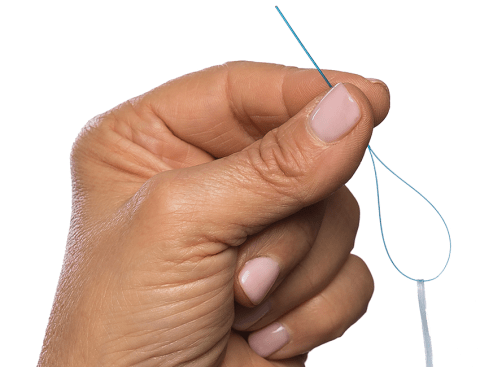
Floss threader - threads floss (like a needle and thread) through tight spaces.

Water flosser - hand-held device that sprays water.

Tiny interdental (means between teeth) brushes - specially designed to clean between teeth.

